Electrical infrastructure is the hidden circulatory system of any property. From powering essential household appliances and climate control systems to supporting high-demand additions like electric vehicle chargers and smart home automation, a properly functioning electrical setup is critical. Because faulty wiring and improper installations carry severe risks—including electrical fires, structural damage, and personal injury—hiring a qualified trade professional is one of the most important property management decisions you will make. Identifying a skilled, trustworthy technical specialist requires a methodical approach to evaluating credentials, past work quality, safety standards, and business practices.
Define Your Project Scope and Technical Needs
Before contacting contractors, clearly outline the exact requirements of your project. Electrical tasks vary widely in complexity, labor, municipal permit requirements, and technical knowledge.
Defining your scope helps determine whether your job requires a specialized master contractor or a standard service technician.
-
Minor maintenance and repairs: Replacing damaged outlets, installing ceiling fans, upgrading light switches to dimmers, or adding Ground Fault Circuit Interrupter (GFCI) outlets in kitchens and bathrooms.
-
System upgrades and retrofits: Upgrading an outdated 100-amp service panel to a 200-amp breaker panel, installing dedicated high-voltage circuits for heavy appliances, or rewiring specific rooms during a renovation.
-
Major overhauls and new infrastructure: Whole-home rewiring for historic properties, installing standby generator integration switches, fitting residential solar connections, or wiring new construction from the ground up.
Understanding your project requirements ensures you seek out a professional with relevant experience in that specific domain rather than hiring a generalist for a complex specialty job.
Verify Licensing, Insurance, and Bonding
Safety and legal compliance are non-negotiable when hiring an electrical specialist. Never assume a contractor is fully qualified simply because they advertise locally. Always perform independent verification of three core credentials:
-
State and local licensing: Most jurisdictions establish a licensing hierarchy, typically categorized into Journeyman and Master levels. A Journeyman is fully trained and licensed to perform installations, repairs, and maintenance under standard operational guidelines. A Master contractor holds advanced technical qualifications, possesses deep knowledge of the National Electrical Code (NEC), and is legally authorized to design complex systems, manage job sites, and pull municipal building permits. Verify license status via your state’s licensing board portal.
-
Comprehensive insurance coverage: Verify that the contractor maintains both general liability insurance and workers’ compensation insurance. General liability covers accidental property damage occurring during the project. Workers’ compensation protects the property owner from financial liability if a worker sustains an injury on your premises. Always request a Certificate of Insurance (COI) issued directly from the insurance provider before work begins.
-
Surety bonding: A bonded contractor has financial backing through a third-party surety company. If the contractor abandons the project, fails to pay for necessary permits, or leaves subcontractor bills unpaid, the bond provides financial protection to the property owner.
Evaluate Experience, Specialization, and Local Reputation
While valid licenses establish baseline competency, real-world experience and consistent customer satisfaction differentiate top-tier professionals from average service providers.
When evaluating potential candidates, inquire about their specific experience with projects similar to yours. A licensed electrician who primarily handles commercial retail build-outs may not be familiar with the subtle structural challenges of rewiring a historic residential home with plaster walls. Ask how long the company has operated under its current business name, as frequent name changes can sometimes indicate an attempt to shed past liabilities.
Research online reviews across multiple independent platforms. Look for consistent patterns regarding punctuality, cleanliness, communication, and pricing transparency rather than focusing solely on isolated negative ratings. Pay close attention to how the contractor responds to customer complaints; professional replies demonstrate strong accountability and customer care values. Furthermore, check for active affiliations with recognized industry organizations, such as the National Electrical Contractors Association (NECA), which reflect a dedication to ongoing safety training.
Assess Communication, Warranties, and Red Flags
The initial consultation offers critical insight into how the contractor operates. Pay attention to how promptly they respond to inquiries, whether they arrive on time for site assessments, and how clearly they explain complex technical concepts.
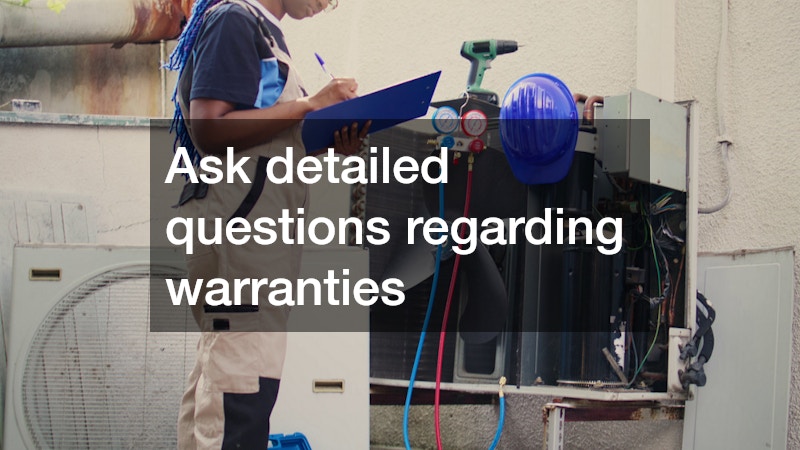
Ask detailed questions regarding warranties. Reputable contractors back their workmanship with a written guarantee—typically lasting between one and three years—in addition to passing along manufacturer warranties for installed equipment like panels, generators, and lighting fixtures.
When interviewing a master electrician about your project, ensure they provide clear answers regarding code compliance and safety protocols. Furthermore, remain vigilant for common red flags during your search:
-
Refusal to provide a written contract or itemized estimate.
-
Pressure to perform work without securing required municipal permits.
-
Requests for cash-only payments or large upfront deposits exceeding standard industry norms.
-
Lack of a verifiable physical business address or active insurance certificates.
Finding the right electrician requires careful research and thorough verification, but the effort pays off in long-term safety, code compliance, and reliable power infrastructure. By following a structured selection process, you can confidently partner with a skilled contractor who will execute your project safely, efficiently, and to the highest professional standards.