
While home ownership brings plenty of pride, it also delivers a steady stream of maintenance challenges. Most of us start our journey as optimistic do-it-yourselfers, armed with a basic toolbox, a couple of wrenches, and a sense of determination. For minor issues like a loose cabinet handle or a slightly dripping kitchen faucet, that amateur spirit serves us incredibly well. However, plumbing operates on a completely different level of risk. What looks like a simple puddle or a slow drain can quickly escalate into a catastrophic failure that compromises your home’s structural integrity, ruins your personal property, and generates thousands of dollars in restoration costs.
The humble plunger has become a symbol of residential self-reliance, and it certainly has its place for minor, localized blockages in a toilet or sink bowl. But relying on it as a universal fix is a dangerous misunderstanding of how modern hydraulic systems function. Your home relies on a complex, pressurized web of supply lines, vent pipes, and waste drains that must all work in perfect harmony. When things go wrong deep within this network, amateur diagnostics and retail chemical drain cleaners usually do far more harm than good. Recognizing the boundary between a quick afternoon fix and a systemic mechanical failure is the most important skill a homeowner can develop. This deep dive will explore the critical scenarios where self-reliance ends and certified expertise must begin, ensuring your home remains safe, dry, and fully functional.
Recognizing the Breaking Point of Household Drainage
When multiple fixtures in your home begin acting up simultaneously, you are no longer dealing with an isolated clog that a retail tool can solve. If flushing the bathroom toilet causes water to gurgle up into your shower stall, or if running the washing machine fills your kitchen sink with sudsy gray water, the issue sits deep within the main drainage artery. A licensed plumber understands that these symptoms indicate a backpressure problem that cannot be cleared by simply forcing a rubber cup up and down. Attempting to clear main line blockages with rental equipment or heavy-gauge hardware store snakes often results in cracked pipe walls, especially in older homes with cast iron or clay lines.
To handle these complex diagnostics safely, professional teams utilize advanced diagnostic technology before they ever attempt a physical repair. A sewer camera inspection involves inserting a high-definition, waterproof video camera attached to a flexible cable directly into your cleanout access point. As the camera travels down the line, it transmits real-time, high-resolution footage to a monitor, allowing the technician to see exactly what is causing the restriction. This process removes all guesswork, pinpointing precise issues like tree root intrusion, offset pipe joints, bellies in the line, or accumulation of hardened grease. Trying to clear a line without this visual data is like a doctor performing surgery blindfolded; you risk attacking a collapsed pipe with a mechanical cutter, which can instantly cave in the remaining dirt and completely block your home’s waste exit.
Clearing Subsurface Blockages Safely and Effectively
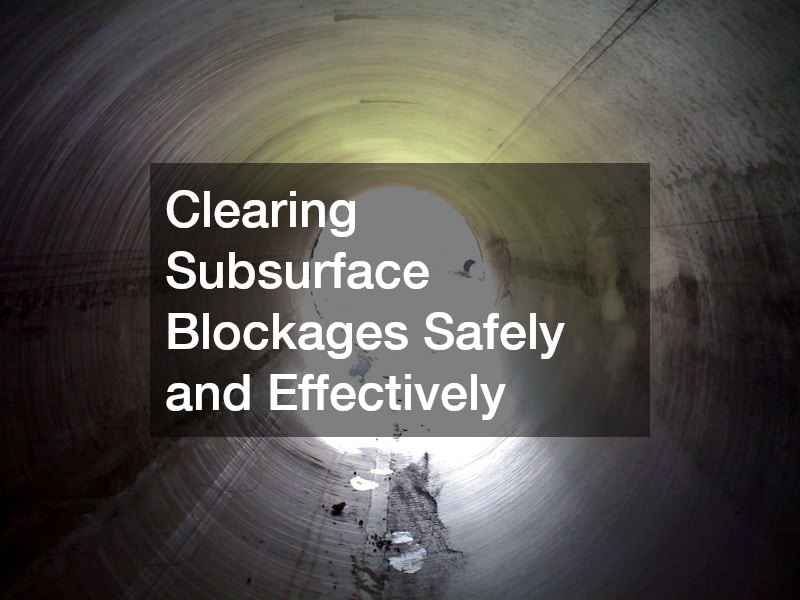
Once the visual inspection reveals the exact nature of the underground restriction, the method of removal must be chosen with care. For years, the standard approach was mechanical snaking, which merely punches a small hole through a blockage rather than clearing it entirely. For a comprehensive restoration of your pipe’s interior diameter, modern teams rely on drain jetting. This technique utilizes specialized pumps to blast highly pressurized water—often exceeding four thousand pounds per square inch—through a multi-directional nozzle propelled down the line.
The intense force of the water shears away decades of accumulated sludge, scale buildup, and stubborn tree roots without damaging the structural integrity of the pipe walls. This process restores the pipe to its original flowing capacity, which prevents the immediate recurrence of blockages that typically happen after a basic snake job. Attempting to recreate this level of clearing with chemical mixtures from a big-box store is highly discouraged. Those caustic liquids generate intense chemical heat that can soften modern plastic pipes or completely corrode older metal lines, while simultaneously introducing toxic compounds into the local water table.
Rehabilitating Damaged Underground Pipelines Without Excavation
When a main line suffers a structural failure, homeowners traditionally brace themselves for the nightmare of heavy machinery tearing up their manicured lawns, concrete driveways, or expensive landscaping. A deeply buried clogged sewer line used to mean days of disruptive digging, trenching, and massive restoration bills just to replace a twenty-foot section of broken pipe. Fortunately, advanced material science has shifted the industry toward trenchless rehabilitation methods that fix the problem from the inside out.
Through a sophisticated process known as pipe lining, technicians can create a pristine, structural pipe within your existing broken line using only a small access point. A flexible fiberglass or polyester sleeve coated with liquid epoxy resin is pulled or blown into the damaged pipe and then inflated with air or hot water. As the resin cures over a few hours, it hardens into a seamless, jointless, and incredibly durable pipe wall that resists root penetration and chemical corrosion for decades. This trenchless methodology eliminates the labor, mess, and collateral destruction of traditional excavation, proving that modern solutions focus on smart engineering rather than brute force digging.
Navigating Major Systemic Waste Failures
The stakes grow even higher for homes that are not connected to a municipal waste network. Rural and suburban properties relying on localized underground waste management systems face unique mechanical and biological demands. Managing these systems requires specialized knowledge regarding bacterial balances, baffling structures, and soil absorption fields that standard residential training does not cover. Neglecting these subterranean systems eventually leads to saturated lawns, foul odors, and severe biohazard backups into the lowest levels of the home.
Investing in certified septic services ensures that your waste holding and treatment systems are pumped, inspected, and maintained according to strict environmental guidelines. A technician will measure the accumulation of scum and sludge layers, inspect the integrity of the concrete or fiberglass tank baffles, and test the structural distribution box that feeds the drainage field. Trying to service these heavy underground tanks yourself is remarkably dangerous due to the buildup of toxic, asphyxiating gases like methane and hydrogen sulfide. Professional monitoring keeps your waste treatment operating safely and extends the lifespan of your drainage field, saving you from catastrophic replacement costs down the road.
Managing Domestic Hot Water Infrastructure
Beyond the waste lines, your home’s comfort relies heavily on the continuous delivery of clean, hot water for bathing, cooking, and sanitation. Modern water heaters are highly complex appliances that combine high-voltage electricity or natural gas lines with pressurized water vessels. Because these systems operate under significant thermal and physical pressure, amateur tinkering can easily lead to catastrophic gas leaks, electrical shorts, or even structural explosions if safety valves fail.
A professional technician can accurately diagnose issues like failing heating elements, broken thermocouple sensors, heavily corroded anode rods, or thick sediment layers building up at the bottom of the tank. Regular maintenance from an expert ensures that your system operates at peak energy efficiency, reducing your monthly utility expenses while preventing unexpected cold showers. Furthermore, when a system reaches the end of its useful lifespan, a professional can properly calculate your household’s peak water demand to recommend the ideal replacement size, whether you stick with a traditional storage tank or upgrade to a modern, energy-efficient tankless system.
Maintaining Kitchen Waste Processing Equipment
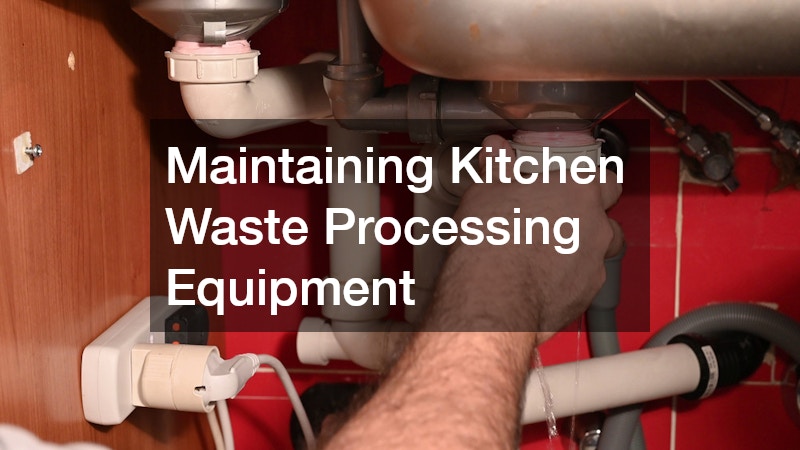
Back in the kitchen, minor conveniences can quickly turn into major plumbing headaches when mechanical components seize up. The heavy-duty motorized grinding units installed under kitchen sinks are often treated like indestructible trash cans, leading to jammed blades, motor burnouts, and persistent leaks that rot out your wooden lower cabinetry. When a unit fails, attempting a DIY swap often results in improper alignments that strain the sink flange and cause hidden water damage.
Arranging for a professional garbage disposal replacement guarantees that the new mechanical unit is perfectly matched to your kitchen’s structural configuration and electrical capacity. A certified installer will ensure that all watertight seals are properly seated, the discharge tubes are sloped correctly to prevent standing water, and the electrical connections are safely grounded and isolated from moisture. They will also properly integrate the new unit with your automatic dishwasher drain line, preventing the common amateur mistake of leaving the knockout plug inside the inlet, which causes dishwashers to flood the kitchen floor on their very first run.
Enhancing Long-Term Household Water Quality
While keeping water flowing in and out of the house is vital, the chemical and physical quality of that water dictates the lifespan of your entire plumbing system. Hard water packed with calcium and magnesium, or municipal water treated with high levels of chlorine, continuously degrades your pipes, ruins your expensive appliances, and irritates your skin and hair. Many homeowners try to solve this with cheap pitcher filters or basic faucet attachments, but these localized options do nothing to protect your broader infrastructure.
Implementing a comprehensive, whole-house water filtration system treats the water the moment it enters your property, safeguarding every pipe, valve, and fixture in the building. A professional installer will conduct a detailed water chemical analysis to identify your specific contaminant profile, whether it involves heavy metals, dissolved minerals, or industrial runoff. Based on those results, they will design a tailored filtration array combining sediment pre-filters, activated carbon blocks, or water softening ion-exchange tanks. This systemic protection prevents scale buildup inside your pipes and water-using appliances, significantly extending their operational life while providing pristine drinking water from every single tap.
Responding to Sudden Visual Water Emergencies

Even with exceptional preventative maintenance, residential plumbing systems are always subject to sudden, unpredictable material failures. A frozen copper pipe that bursts hidden inside a drywall cavity, a failed sub-floor washing machine hose, or a cracked main shutoff valve can release hundreds of gallons of water into your living space in mere minutes. During these high-stress crises, panic can easily paralyze a homeowner, causing them to waste critical time looking for basic tools or attempting makeshift patches while water destroys ceilings, hardwood floors, and sentimental items.
Having immediate access to a trusted 24-hour emergency plumbing service is your primary defense against catastrophic property loss. Emergency response teams arrive with specialized trucks packed with heavy-duty extraction pumps, industrial drying equipment, and an extensive inventory of commercial replacement valves and fittings. They can instantly isolate the rupture, stop the active flooding, and begin the structural stabilization process before mold spores have an opportunity to take root in your damp drywall. Knowing exactly who to call in the middle of the night transforms a potential total loss of the home into a manageable, professional repair.
Mitigating Hidden Threats and Water Losses
Not all structural threats announce themselves with loud rushes of water or visible indoor flooding. Some of the most destructive mechanical failures occur quietly, hidden behind beautifully finished basement walls, tucked away beneath concrete foundations, or buried deep within structural crawlspaces. A tiny, slow pinhole leak in a supply line can drip continuously for months without ever tripping a standard water meter alert or making an audible sound.
Over time, this hidden moisture weakens structural wooden studs, rots out subflooring, and creates the absolute perfect breeding ground for toxic black mold colonies. Certified technicians utilize specialized acoustic leak detection equipment, thermal imaging cameras, and sensitive moisture meters to pinpoint these hidden failures without damaging your walls. Entrusting these subtle infrastructure checks to a qualified expert ensures that minor structural anomalies are captured and resolved before they compromise your entire indoor air quality or destroy the structural load-bearing components of your property.
Embracing Long-Term Preventive Partnerships
Ultimately, maintaining a safe and efficient home requires shifting your mindset away from reactive crisis management and toward proactive maintenance. True peace of mind comes from developing an ongoing relationship with a certified plumbing partner who understands the unique history, layout, and quirks of your property. Regular annual inspections allow these experts to catch micro-leaks, test pressure relief valves, and identify structural weak points long before they develop into expensive, disruptive emergencies.
By stepping away from the plunger and trusting specialized infrastructure to trained hands, you protect your financial investment, preserve your daily comfort, and keep your family safe. Modern plumbing is an intricate blend of mechanical engineering, chemistry, and advanced technology that deserves respect and expert care. Investing in professional diagnostics, advanced cleaning methodologies, and certified installation ensures that your home’s hidden lifelines will continue to perform flawlessly for generations to come.