
The overhead structure of a residential property serves as the primary defensive barrier isolating your family, your interior living spaces, and your hard-earned real estate equity from the unrelenting forces of nature. Day after day, a home’s overhead structure bears the brunt of intense solar ultraviolet radiation, high-velocity thermal shifts, torrential downpours, and punishing winter freeze-thaw cycles. Yet, because this architectural element is largely out of sight, many homeowners adopt a passive approach to its upkeep, neglecting structural maintenance until water actively breaches the interior ceiling drywall.
Diagnosing Structural System Degradation
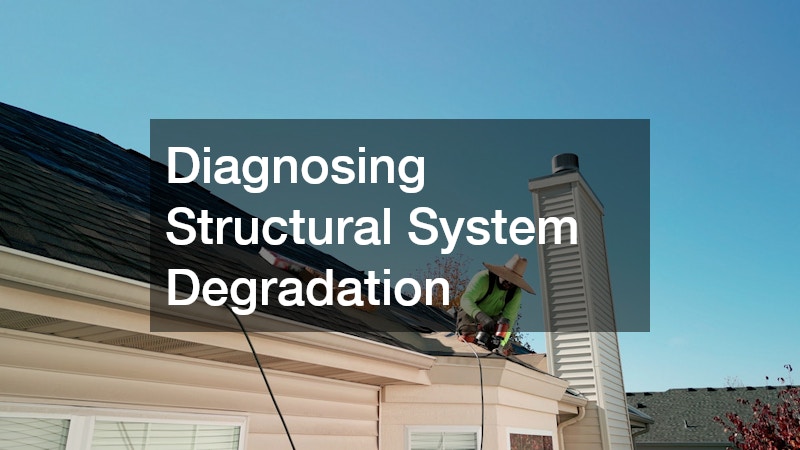
Identifying Early Warning Signs of Under-Layer and Surface Shingle Failures
The physical lifecycle of an architectural shingle layer is a continuous battle against environmental weathering and material fatigue. Over a decade of exposure, the essential oils embedded within asphalt shingles slowly dry out, leaving the underlying fiberglass mat brittle and vulnerable to wind uplift. Homeowners must learn to spot the early warning signs of system failure long before a major structural emergency happens. Scanning your property’s exterior layout after severe weather events allows you to identify surface defects like missing tabs, curled edges, and bald shingles that have shed their protective stone granules.
When surface shingles begin to lose their structural integrity, the underlying wood decking relies entirely on secondary synthetic underlayments to keep water out. If you suspect your system is approaching the end of its reliable service life, it is critical to schedule a professional evaluation to determine if a targeted roof repair sequence can safely extend its lifespan or if the underlying framing has suffered deep water damage.
Scan the Gutters for Heavy Granule Loss:
Inspect the interior channels of your eavestroughs during seasonal cleaning sweeps; a thick buildup of sand-like mineral granules indicates that your shingles are rapidly reaching the end of their functional lifecycle.
Inspect the Attic Space for Light Penetration:
Climb into your attic space on a bright afternoon and turn off all interior light nodes; any visible pinpricks of daylight shining through the wood decking indicate an immediate structural breach.
Sourcing Quality Neighborhood Craftsmanship
Vetting Local Fleet Operations and Verification Standards
When the data clearly indicates that your home’s overhead protective system is no longer viable, the most important task is selecting a professional trade team to execute the replacement. The home improvement industry is crowded with uncertified subcontractors and low-overhead businesses that disappear when a warranty issue arises. To protect your home’s equity, look past superficial online marketing copy and focus strictly on verified local credentials, specialized training, and ironclad proof of high-limit general liability and workers’ compensation insurance policies.
Demand Verifiable Local Work Histories:
Request a list of residential addresses within your immediate neighborhood where the installation team completed full tear-offs at least three years ago, allowing you to verify how the materials are aging.
Verify Current Active Insurance Certificates:
Insist that the provider’s insurance agency send active workers’ compensation and general liability certificates directly to your email inbox, ensuring you are completely protected from personal injury liability.
Executing Precision Structural System Overhauls
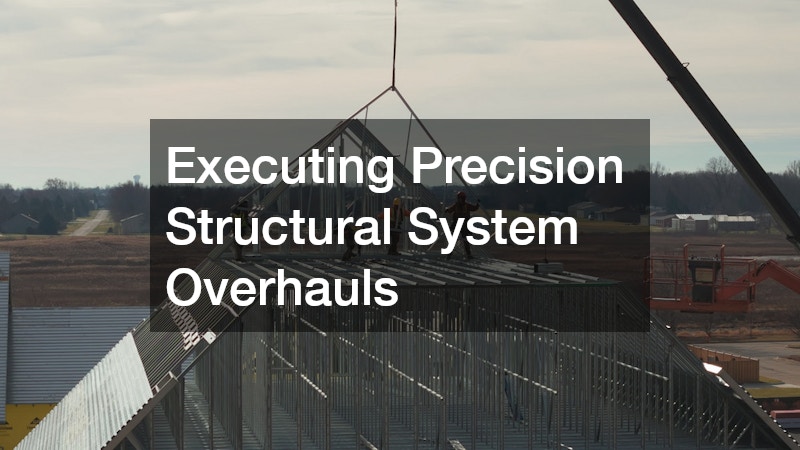
Managing the Logistics of Total Tear-Downs and Decking Remediation
A flawless roof installation requires a comprehensive system overhaul that addresses every layer of your home’s overhead structure. Some low-cost providers may suggest installing a second layer of shingles directly over your old, failing roof to save on labor and disposal fees. This practice is an administrative and structural blunder. Overlaying new shingles traps heat, accelerates material breakdown, violates building safety codes, and makes it completely impossible to inspect the underlying wood decking for hidden rot and structural failures.
A professional residential roof replacement must always begin with a complete tear-down of the existing system, right down to the bare wood deck. Once the old shingles and tar papers are removed, the installation crew can thoroughly inspect the plywood sheets for soft spots, water damage, and structural sagging. Replacing compromised decking establishes a strong, uniform foundation for the new roofing system, ensuring the fresh underlayments, ice-and-water barriers, and architectural shingles can perform flawlessly for their entire design life.
Enforce an Absolute Structural Deck Cleansing:
Mandate that all old fasteners, rusted nails, and degraded organic felt papers are completely stripped away, creating a perfectly smooth deck surface.
Remediate All Sub-Surface Wood Rot Instantly:
Require the immediate removal and replacement of any CDX plywood sheets that exhibit signs of water staining, delamination, or structural warping.
Partnering with Elite Engineering Firms
Navigating Complex Material Supply Chains and Enterprise Estimates
A successful structural overhaul requires a deep understanding of modern building material options and careful contract analysis. Homeowners can select from a wide range of materials, including architectural laminate shingles, standing-seam metal panels, and composite synthetic slats. To navigate these complex supply chains safely, look past simple price-per-square quotes and seek a comprehensive, line-item contract from a certified roofing contractor who explicitly details every material layer, ventilation accessory, and perimeter drainage component to be used.
Verify Specialized Edge-Metal Flashing Upgrades:
Ensure your estimate includes the installation of heavy-gauge, rust-resistant drip edges along all eaves and rakes to prevent water from wicking back into the wood fascia board.
Mandate Advanced Ice and Water Shield Placements:
Insist on the installation of self-adhering polymer-modified bitumen membranes in all valleys, around chimneys, and along lower eaves to prevent leaks from ice damming.
Safeguarding Perimeter Drainage Topographies
Synchronizing Eavestrough Flow Velocities to Neutralize Foundation Hydration
An engineered roofing system must do more than simply shed water from the top of your house; it must route that high-volume runoff completely away from your home’s foundation. When heavy rain hits a large roof area, it generates thousands of gallons of water that pour down toward the perimeter eaves. If your home’s eavestroughs are clogged, leaking, or improperly sloped, this water will spill over the edge, collecting directly at the base of your foundation and causing basement flooding, structural foundation settling, and soil erosion.
Protecting your home’s foundation requires matching your new roof installation with a complete professional gutter repair sequence. Calibrating the pitch of your eavestroughs, upgrading to oversized seamless aluminum channels, and installing heavy-duty leaf guards keep your home’s drainage paths continuously clear. Ensuring that downspouts extend several feet away from the building envelope neutralizes the threat of foundation hydration and preserves your landscaping investments.
Calibrate Precision Drainage Flow Pitches:
Verify that all perimeter gutters are sloped at a minimum of 1/4 inch for every 10 feet of run toward the downspouts to eliminate stagnant water pooling and rust formation.
Upgrade to Seamless Large-Volume Aluminum Channels:
Replace leaking sectional gutters with custom-extruded seamless systems that eliminate joint failure points and easily handle extreme downpours.
Standardizing Local Maintenance Loops
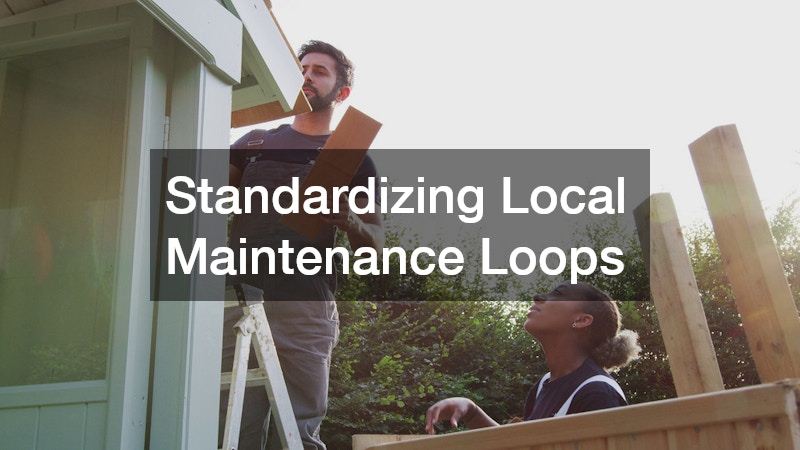
Securing Fast Troubleshooting Corridors for Urgent Seasonal Remediations
Even the highest-quality roofing systems require regular, proactive maintenance to deliver their full design lifespan. The outer envelope of a residential home is continuously exposed to localized environmental microclimates, falling tree limbs, and unexpected animal activity. To keep small issues from turning into major structural crises, property owners should form ongoing relationships with specialized trade operations that offer prompt local roofing repairs to address wind-damaged ridge caps, failing pipe boots, and storm damage before leaks breach the living spaces.
Schedule Comprehensive Bi-Annual System Audits:
Perform professional structural walk-downs every spring and autumn to check the integrity of chimney seals, clear valley debris, and secure loose flashing.
Deploy High-Durability Silicone Pipe Boot Collars:
Replace standard, fast-degrading rubber plumbing vent boots with premium silicone collars that resist UV cracking and ozone degradation for decades.
Engineering Advanced Ventilation and Thermal Defenses
Optimizing Ridge and Soffit Airflows to Defuse Attic Heat Straps
The hidden engine driving the performance of modern roofing materials is attic ventilation science. Many homeowners believe that a roof’s only job is to stop rain, but keeping balanced airflow beneath the wood decking is equally important. Without continuous ventilation, your attic space becomes a heat trap during the summer months, with temperatures soaring past 150 degrees Fahrenheit. This intense radiant heat bakes the shingles from underneath, destroying the asphalt core and cutting the material’s life expectancy in half.
To optimize your home’s thermal defenses, your contractor must design a balanced ventilation system that matches intake soffit vents with exhaust ridge vents. This setup uses natural convection to continuously pull cool air in through the lower eaves and push hot, humid air out through the peak of the roof. Proper ventilation lowers summer cooling bills, removes internal winter moisture, and prevents the formation of destructive ice dams.
Calculate Exact Net Free Ventilating Area Requirements:
Ensure your attic ventilation plan provides a perfect 50/50 balance between lower intake airflow and upper exhaust vents, matching strict building codes.
Clear All Intake Soffit Airflow Infiltration Paths:
Verify that attic insulation baffles are completely clear of loose fiberglass or cellulose debris, allowing fresh outside air to flow freely into the attic.
Selecting Qualified Mechanical Service Lines
Vetting Comprehensive Fleet Warranties and Post-Installation Support Packages
Investing in a major home improvement project requires verifying the long-term support infrastructure and financial health of the installation firm. A material warranty is only as good as the service team standing behind it. When comparing regional trade operations, look beyond basic marketing promises and analyze the specific terms of their post-installation roofing service packages. Top-tier providers include multi-year workmanship guarantees and automated follow-up safety checks as standard parts of their installation contracts.
Choosing a comprehensive service provider gives homeowners access to advanced diagnostic tools like infrared thermal camera sweeps and drone-based structural mapping during routine checks. These industrial diagnostic tools catch hidden under-layer moisture traps and internal flashing failures long before they show up as visible interior water stains, protecting your investment for the long haul.
Audit Workmanship Guarantee Legal Language:
Carefully review the specific exclusions and liability limits in your construction contract, prioritizing firms that offer clear, unconditional labor warranties.
Deploy Infrared Thermal Moisture Inspections:
Use advanced infrared cameras during annual maintenance walk-downs to easily identify damp underlayment zones by tracking sub-surface temperature variations.
Navigating Emergency Industrial Sourcing Channels

Tapping into On-Demand Neighborhood Fleet Assets During Post-Storm Crises
When a sudden meteorological crisis, like a microburst, a fallen tree limb, or a major hail storm, breaks through your home’s exterior envelope, your priority shifts to emergency containment. During regional weather emergencies, hundreds of local homes suffer simultaneous damage, creating intense competition for repair materials and labor. To protect your property from cascading internal water damage, you need immediate access to an on-demand local roofer who can deploy emergency containment assets to secure your home.
Keep a Secure Digital Roof Emergency Portfolio:
Maintain an off-site cloud folder with your roof’s installation date, exact material styles, past repair invoices, and priority direct contractor contact numbers.
Deploy Premium Weighted Synthetic Tarps Immediately:
Secure open structural breaches with heavy-duty, UV-stabilized synthetic tarps held down by mechanical batten strips to resist wind tear-off.
Evaluating Corporate Operational Scaling
Analyzing Enterprise Capital Pools and Regional Equipment Fleets
The ultimate safeguard for any major residential construction project is the financial strength of the executing company. Many homeowners do not realize that if a contractor goes bankrupt mid-project or fails to pay their material suppliers, the suppliers can place a mechanics’ lien against the homeowner’s property, forcing them to pay for the materials a second time. To completely avoid this legal nightmare, verify that your chosen roofing company maintains strong credit lines with material distributors and holds deep cash reserves.
Well-capitalized businesses scale their operations by investing in advanced installation equipment, automated debris-containment fleets, and professional safety gear. Working with a financially stable corporate provider ensures your residential project will be completed within a single, continuous work window, completely free of supply delays or unexpected subcontractor legal liabilities.
Verify active Manufacturer Credit Standing Metrics:
Confirm that your construction provider maintains direct, high-volume credit relationships with leading material manufacturers, which indicates absolute business stability.
Run Local Trade Licensing Background Checks:
Check with state and local licensing bureaus to verify that the business has operated continuously under the same corporate entity name for at least five consecutive years.
The structural integrity and long-term security of a residential home depend entirely on the performance of its overhead protective barrier. Treating this vital system with proactive engineering discipline, from initial attic ventilation design to precision perimeter drainage calibration, allows property owners to easily transform a standard home improvement project into a high-yield investment in long-term equity. Shifting your perspective away from emergency repairs and toward systematic, total system overhauls creates a safe, energy-efficient sanctuary that protects your family and your capital from seasonal weather challenges.
Maintaining your home’s hard-won protection requires an ongoing commitment to regular diagnostic checkups, rapid local supply networks, and ironclad operational records. Partnering with well-capitalized, certified regional professionals ensures every component of your multi-layer roofing system is installed to meet strict construction standards. Lead your property management plans with data-driven foresight and meticulous care; by doing so, you ensure your home stands strong against the elements, preserving its beauty, comfort, and financial value for decades to come.