Transforming your kitchen doesn’t have to break the bank. By making small, affordable changes, you can significantly elevate both the aesthetics and functionality of your kitchen space. Whether it’s updating countertops, changing flooring, or adding a new coat of paint, these updates can make a huge difference.
1. How can I update my countertop affordably?
1.1 – Choosing cost-effective materials
When updating your kitchen countertops, selecting materials like laminate or butcher block can be cost-effective choices. These materials not only provide a fresh look but also come in various designs and finishes that mimic more expensive options. Additionally, selecting a material that is easy to maintain can also save you money in the long run.
Considering materials such as laminate, which offers durability at a lower cost, can make your kitchen upgrade budget-friendly. Furthermore, butcher block offers a rustic and natural look, adding warmth without the high price of premium materials. Both options are widely available and can complement a range of kitchen styles.
It’s essential to assess the wear and tear your kitchen countertops might endure to choose the ideal material. Laminate’s easy cleaning and maintenance make it a preferred choice for many, while butcher block’s ability to be sanded and refinished can extend its longevity. Ultimately, selecting the right material involves balancing cost with your kitchen’s specific needs.
1.2 – DIY vs. Professional Installation
Taking a DIY approach to countertop installation can significantly cut costs, allowing you to achieve a new look within your budget. However, it requires some level of skill and patience, as improper installation can lead to problems down the road. For those less confident in their DIY skills, hiring professionals ensures high-quality results without risks of damage.
Professional installation provides peace of mind as experienced workers handle the complex tasks that might be challenging to a novice. While this incurs additional costs, the investment often guarantees a higher-quality finish and longevity. On the other hand, opting for DIY saves money and offers personal satisfaction upon completion.
The choice between DIY and professional installation often depends on your budget, time constraints, and desired finish quality. Those seeking an economical upgrade might lean towards DIY, while others may value the precision and expertise of a professional. Assessing your abilities and project scope can help in making this decision.
1.3 – Maintenance tips for longevity
To extend the life of your kitchen countertops, regular maintenance is crucial. Simple practices like using trivets for hot pans, cutting boards, and promptly cleaning spills go a long way in preserving the surface’s integrity. For surfaces like butcher block, periodic sealing is necessary to protect against moisture and stains.
Laminate countertops, for instance, benefit from gentle cleaning solutions to prevent damage from harsh chemicals. Avoiding cutting directly on the surface can also prevent scratches and maintain a polished look. These small habits significantly enhance the durability and appearance of your countertops over time.
Proper care not only maintains aesthetic appeal but also prevents costly repairs or replacements. Regular inspection for any signs of damage or mold allows for timely intervention. Thus, investing time in routine maintenance safeguards your kitchen’s visual and functional appeal.
2. Are granite or marble countertops a budget-friendly option?

2.1 – Comparing budget granite options
Granite countertops, while often associated with luxury, have become more accessible due to a variety of budget-friendly options available on the market. These options may include less rare color variations and smaller slabs. Considering remnants or prefab granite pieces can also help in achieving a sophisticated look without the premium cost.
Being aware of the different grades of granite can also impact cost. Lower grades might feature more veins and imperfections, but they still offer the same durability as higher grades. It’s about finding a balance between the desired aesthetic and budget constraints.
Shopping around and comparing suppliers can unveil the best deals on granite countertops. Competition among vendors often brings down prices for standard selections, allowing homeowners to incorporate this timeless material affordably. The key is diligent research and negotiation.
2.2 – Installation costs involved
Installation costs for granite countertops can vary significantly based on region, size, and the specifics of your kitchen layout. Professional installation is highly recommended due to the weight and precision required, although it can be an additional expense. It’s important to budget for this when considering granite as a material option.
Discounts or package deals for both purchasing and installation might be available through certain retailers. These can reduce the overall cost, making granite a more viable option for budget-conscious renovators. Ensuring clarity in installation terms will help in avoiding unexpected expenses.
The expertise of professional installers ensures that seams are less visible and edges are polished correctly. This avoids aesthetic issues that might arise from a less experienced installation, preserving the luxurious look that granite countertops are known for. The initial outlay for professional services is a wise investment in quality results.
2.3 – Pros and cons of granite countertops
Granite countertops offer unmatched durability and a unique beauty with each slab. Their heat resistance makes them ideal for kitchen environments, supporting cooking activities effortlessly. However, maintenance such as resealing is necessary to protect against staining and moisture damage.
One downside of granite is the weight, which may require additional structural support depending on your cabinetry. Additionally, while they are scratch-resistant, care is required to prevent chips along the edges and corners. Knowing these pros and cons can aid in making an informed decision.
Despite potential drawbacks, many homeowners appreciate granite’s timeless appeal and natural variations that add character to kitchens. Weighing these factors against costs and maintenance will determine if granite countertops align with your kitchen upgrade goals. The right choice complements both your lifestyle and aesthetic desires.
3. What is a cultured marble stone countertop? Is it a good alternative?
3.1 – Features and benefits
Cultured marble countertops combine beauty and affordability, providing a compelling alternative to natural stone. Made from a blend of crushed stone and resin, they offer a wide range of colors and seamless designs. This surface is non-porous, reducing maintenance by avoiding the need for regular sealing, unlike natural stone.
The uniformity of cultured marble makes it an attractive option for those seeking a consistent pattern across their counters. As a more budget-friendly option, it does not compromise on the style that often comes with a higher price point. The ease of cleaning and longevity are additional benefits that contribute to its popularity.
However, one should take care to protect cultured marble from marks caused by heavy or sharp objects. Despite this, when properly maintained, these countertops retain their glossy finish and elegance over time. They stand as an excellent choice for a kitchen facelift aiming for a blend of style, cost-efficiency, and ease of upkeep.
3.2 – Cost comparison with other materials
When comparing cultured marble countertops to options like granite or solid surfaces, cultured marble often presents a more economical choice while offering substantial aesthetic appeal. Its production process allows for mass manufacturing, reducing costs as compared to quarried stone. This enables homeowners to enjoy luxurious looks without the hefty price tag.
As trends and availability drive the costs of natural stone upward, cultured marble remains relatively stable in price. This makes it a compelling option for budget-conscious renovators looking to maximize their kitchen’s appeal within financial constraints. Furthermore, the wide variety of finishes and colors available provide flexibility in design.
While cultured marble lacks the innate uniqueness found in granite, it compensates through consistency and a lower environmental impact. This provides a strong value proposition to those willing to consider alternative materials that still promise a high-end appearance. Evaluating your priorities in terms of aesthetics and budget can guide this decision.
3.3 – Design versatility and uses
Cultured marble countertops offer a plethora of design possibilities, able to convincingly replicate the finish of more traditional stones like granite or marble. Their adaptability extends beyond countertops to include seamless sinks and shower surrounds, providing cohesive design aesthetics across spaces. The material supports a myriad of styles, from modern minimalist to classic elegance.
The ability to produce custom orders allows homeowners to craft specific visions for their kitchen layouts. Coupled with a broad palette of colors and finishes, cultured marble stands as an excellent medium for personal expression in remodeling projects. This versatility endears it to designers and DIY enthusiasts alike seeking stylish solutions.
Despite typically being used for countertops, the adaptability of cultured marble makes it ideal for use in various other areas, including bathroom and utility room surfaces. This consistency throughout the home promotes a unified aesthetic that extends your design theme beyond the kitchen. As a result, cultured marble provides both practical and aesthetic benefits across diverse applications.
4. How effective is vinyl for kitchen flooring?

4.1 – Advantages of luxury vinyl flooring
Luxury vinyl flooring offers numerous advantages for kitchens, combining affordability with durability. Its construction, which includes multiple layers for added strength, makes it resistant to scratches, stains, and water damage. This resilience makes luxury vinyl ideal for the frequent activity and potential spillages of a kitchen environment.
Beyond performance, luxury vinyl stands out with its ability to mimic high-end materials like hardwood and stone at a fraction of the cost. Homeowners appreciate the wide array of styles available that can seamlessly blend with existing kitchen themes. Durability combined with aesthetic options makes luxury vinyl a favored choice for pragmatic and stylish kitchen updates.
Additionally, the soft surface underfoot adds comfort, making longer cooking sessions more pleasant compared to harder surfaces like tile. Installation is often straightforward with click-and-lock designs that expedite the process, further enhancing its appeal to DIY enthusiasts and budget-conscious remodelers. These combined benefits affirm luxury vinyl’s status as an effective flooring choice.
4.2 – Installation process
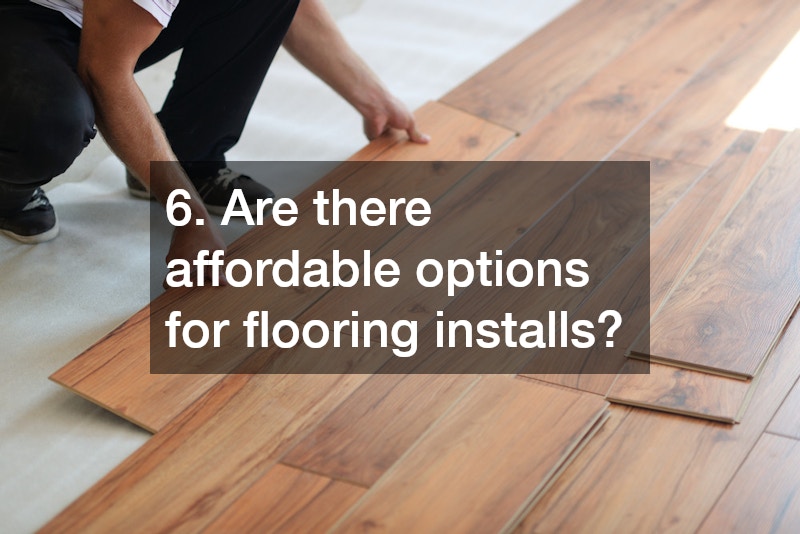
The installation process of luxury vinyl flooring is user-friendly, offering both novice and seasoned DIYers easy handling due to its versatile application methods. This ranges from glue-down installations to floating flooring that clicks into place without the use of adhesive. The simplicity of its installation cuts labor costs significantly for a budget-friendly remodel.
Prior to installing luxury vinyl, thorough subfloor preparation is necessary to ensure a level surface for best results. Following manufacturer guidelines regarding spacing, acclimatization, and layout patterns is essential in achieving a professional finish. These steps also prevent future problems such as buckling and gaps.
For those opting to hire professional flooring services, the cost may still be lower than other flooring types due to the efficient nature of luxury vinyl installation. Professionals ensure precise cutting and fitting, minimizing waste and ensuring the final aesthetic meets your vision. Whether DIY or professionally installed, the process is streamlined, contributing to its popularity.
4.3 – Cost analysis of luxury vinyl vs other flooring
Luxury vinyl flooring is often more cost-effective compared to alternatives like hardwood or ceramic tile. The lower upfront material costs paired with reduced installation expenses make it a competitive option for budget-conscious renovators. This value is amplified through its durability, which reduces the likelihood of needing replacement or significant repair over time.
In comparison to natural materials, luxury vinyl does not require unique subfloor treatments, adding to its economic appeal. This savings, along with reduced maintenance expenses, showcases its practical financial benefits. Furthermore, the longevity of luxury vinyl makes it a worthwhile investment, resisting wear even in high-traffic kitchens.
While some might consider potential resale value impacts when choosing a less traditional material, the aesthetic improvements made possible by advanced designs lessen this concern. Many buyers increasingly appreciate the functional advantages vinyl provides. When balancing style, budget, and long-term value, luxury vinyl proves itself as a strong contender.
5. What should I know about epoxy floors in kitchens?
5.1 – Benefits of using epoxy in kitchen floors
Epoxy floor installation offers numerous advantages in a kitchen setting, renowned for their durability and robust protection against spills and chemical damage. The seamless surface resists moisture exceptionally well, which is essential for an area prone to spills and splashes. Moreover, its high gloss finish adds a modern touch that enhances kitchen aesthetics.
Customization is another benefit, allowing homeowners to select patterns and colors that match their design preferences. From a practical standpoint, epoxy provides ease of cleaning, making it a practical solution for busy households. Overall, epoxy flooring uniquely balances aesthetic appeal with practical functionality, making it a viable choice for kitchens needing a contemporary update.
Despite initial thoughts about its industrial roots, epoxy is increasingly embraced in residential settings due to its versatility and performance. Additionally, its reflective surface can significantly brighten a room, reducing the need for excess lighting and contributing to energy savings. These advantages collectively affirm epoxy floors as a smart choice for kitchen upgrades.
5.2 – Step-by-step installation guide
The installation process of epoxy flooring begins with comprehensive surface preparation to ensure the adhesion of the epoxy resin. This involves stripping away existing flooring, cleaning thoroughly, and repairing any subfloor issues. It’s crucial to remove dust, grease, and other debris, which can otherwise hinder the bonding process.
Once prepared, the application of epoxy takes place in layers, generally involving a primer, color base coat, and topcoat that seals the surface. Each layer requires curing time, demanding patience but resulting in a sleek and durable floor. This self-leveling process covers imperfections and creates the iconic seamless look epoxy floors are known for.
While some DIY enthusiasts might tackle smaller areas, many opt for professional installation to ensure faultless results. Professionals can manage coverage uniformity and reduce issues like trapped air bubbles. Regardless of the method chosen, following each step meticulously guarantees a floor that stands the test of time.
5.3 – Durability and care tips
Epoxy floors, known for their resilience, offer an enduring foundation capable of withstanding daily kitchen rigors. Their resistance to scratches and scuffs sustains a pristine appearance amid bustling household activities. Proper care further extends their lifespan, maintaining both function and form.
Regular maintenance involves sweeping to remove abrasive particles, combined with routine mopping using gentle cleaners to preserve the glossy finish. It’s advisable to avoid harsh chemicals that could dull the appearance or compromise the protective layer over time. With these practices, epoxy floors remain a practical solution for an active kitchen.
Addressing damage promptly, such as chips or cracks, prevents further issues and maintains structural integrity. Epoxy’s repairability is easier than some might think, often involving the reapplication of coatings to affected areas. Long-term adherence to these care tips ensures that your epoxy floor continuously impresses for years to come.
6. Are there affordable options for flooring installs?
6.1 – Factors affecting installation costs
The cost of flooring installation can vary widely depending on several factors including the type of flooring, the complexity of the project, and the region. Materials like luxury vinyl and laminate generally incur lower installation costs compared to hardwood or ceramic tiles. Additionally, the labor required for intricate patterns or difficult layouts can increase overall expenses.
Size also plays a significant role; larger kitchens require more materials and labor, inherently raising cost. However, bulk purchasing discounts from suppliers can partly offset this increase, saving money. Contractors might also offer competitive rates or promotions that impact final costs, lending flexibility to budget considerations.
Geographic location influences labor rates significantly, with urban areas typically commanding higher prices than rural settings. Understanding these cost components helps in making informed choices, allowing homeowners to align their budget best with their flooring aspirations. Being mindful of these influences ensures that you spend wisely and receive quality results for your investment.
6.2 – Choosing the right flooring contractor
Finding the right flooring contractor is crucial for high-quality results and ensuring your investment’s success. Key qualities to assess include experience, licensing, and customer reviews that reflect their reliability and expertise. Personal referrals from friends and family offer insights into potential hires, saving your research efforts.
During initial consultations, get detailed estimates to understand provided services, materials, and timelines. Collect at least three quotes to compare offerings and confirm you’re receiving competitive pricing. Moreover, a contractor’s ability to listen and communicate effectively is essential, ensuring your vision is realized in the finished product.
Finally, ask about warranties covering workmanship and materials as reassurance against unforeseen issues. Such guarantees highlight a contractor’s confidence in their craft and provide additional peace of mind. With due diligence, you can select professionals that align with your project’s needs and budget efficiently.
6.3 – DIY Installation: Pros and Cons
Undertaking a DIY flooring installation can provide significant cost savings by eliminating labor expenses. Flooring types such as luxury vinyl tiles, with their simple click-lock designs, cater to the DIY crowd. Successfully completing the job yourself endows a sense of accomplishment and personal investment in a transformed space.
However, DIY installations carry risks involving improper planning or execution, potentially leading to uneven floors or gaps. The learning curve and time commitment involved might outweigh financial savings for those inexperienced in home improvement tasks. Tools and material wastage can also offset any economic benefits if not managed with care.
It’s vital to weigh the short-term savings against long-term costs when considering DIY, accounting for possible repairs or professional corrections. For less complex installations or particularly confident DIYers, these projects can indeed save money. But complexity and personal skill level should ultimately guide your decision on undertaking an installation yourself.
7. What are the services offered by a flooring company?
7.1 – Overview of typical services
A flooring service provider typically offers an array of services ranging from installation to maintenance and repairs. They handle the selection process, offering expert advice on suitable materials based on usage and style preferences. Their expertise often includes subfloor preparation, ensuring any installation begins with a solid foundation.
A few thoughtful kitchen updates can go a long way in transforming both the look and functionality of your space without stretching your budget. From refreshing cabinet finishes to upgrading lighting and hardware, small changes can deliver noticeable results. When you focus on practical improvements that align with your needs and style, you can create a kitchen that feels updated, efficient, and more enjoyable to use every day.
8. Refreshing Your Kitchen With Paint

Painting is one of the most effective and affordable ways to transform your kitchen without a major renovation. A fresh coat of paint from a residential painting company can instantly brighten the space, update outdated colors, and create a clean, cohesive look. Whether you choose to repaint your walls, cabinets, or even your ceiling, this simple upgrade can make your kitchen feel completely new with minimal investment.
Cabinet painting by painting companies, in particular, offers a high-impact result at a fraction of the cost of replacement. By selecting a modern color—such as soft whites, warm neutrals, or bold statement hues—you can redefine the overall style of your kitchen. Proper preparation, including cleaning, sanding, and priming, plays a key role in achieving a smooth, durable finish that holds up to daily use.
In addition to aesthetics, the right paint choices can also improve functionality. For example, using moisture-resistant and easy-to-clean finishes helps protect surfaces from spills, splatters, and humidity. Are you wondering, “Where can I find Benjamin Moore near me?” Be sure to call your local pinaters today! By choosing quality materials and taking the time to apply them correctly, painting becomes a practical and visually rewarding update that delivers lasting value.
Affordable kitchen updates can deliver noticeable improvements without the need for a full renovation. By focusing on small, high-impact changes like refreshed finishes, updated fixtures, and improved lighting, you can create a space that feels modern and functional. With the right approach, even modest upgrades can enhance both your daily experience and your home’s overall value.