In this article, we will delve into the often overlooked areas of routine home maintenance. Proper maintenance can prevent costly repairs and prolong the lifespan of your home. By addressing these commonly ignored aspects, you can ensure that your home remains in top condition.
1. How often should I clean my air ducts?
Cleaning your air ducts is a crucial yet often overlooked component of home maintenance. Dirty air ducts can lead to compromised indoor air quality and increased energy costs. It’s recommended that air ducts be professionally cleaned every three to five years, especially if you have pets or have undergone recent remodeling work.
There are several signs that your air ducts may need cleaning. If you notice dust accumulation around your vents or detect an unusual odor in your home, it’s time to consider this service. Another indication is if you or your family members are experiencing unexplained allergies or respiratory issues.
Best practices for air duct maintenance include regular checks and filter replacements. Hiring professional cleaning services ensures the job is done thoroughly and safely. Expert local contractors can assess the condition of your ducts and provide recommendations tailored to your home maintenance needs.
2. When is the best time to inspect the roof?
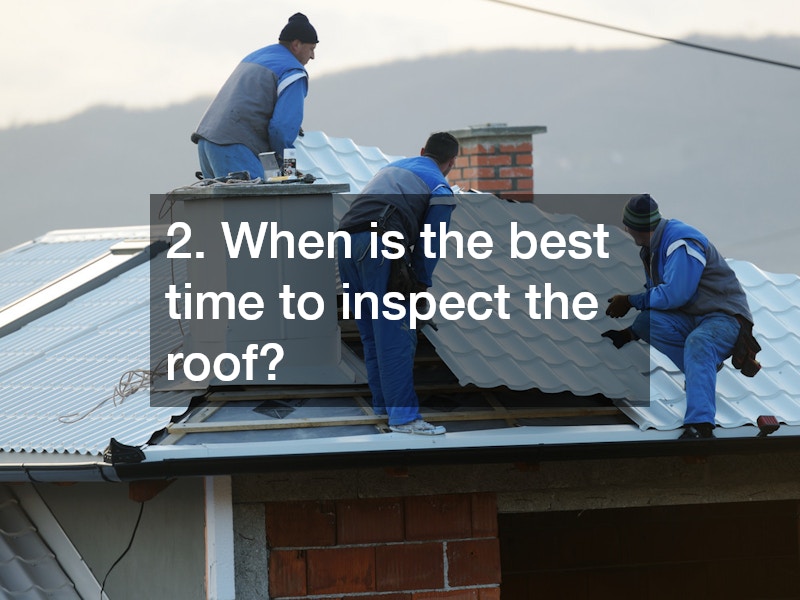
Routine inspection of your roof is pivotal in maintaining the structural integrity of your home. It’s crucial to inspect your roof semi-annually, typically during the spring and fall. These periods allow you to assess any weather-related damage and prepare for upcoming seasonal changes.
Seasonal considerations should be part of your roofing maintenance routine. Winter inspections can help prevent leaks caused by ice damming while spring check-ups ensure any damage from heavy rains is addressed. Local roofers often offer comprehensive roof inspection services that help identify issues specific to your region.
Common issues found in roof inspections include damaged shingles, flashing deterioration, and issues with soffits or fascias. Deciding between doing it yourself or hiring professional roofing companies often depends on your comfort level and the complexity of the repair. However, many experts suggest getting a professional assessment to avoid unseen damages.
3. Why is it important to maintain your water heater?
A well-maintained water heater can significantly improve the efficiency of your home. Regular maintenance helps prevent issues like mineral build-up, which can lead to reduced heating efficiency or even failure of the appliance. Most heating oil service professionals recommend annual check-ups to maintain optimal performance.
Common problems with water heaters include leaking, inconsistent water temperatures, and noises that indicate sediment build-up. Addressing these issues early can prevent larger, more costly repairs down the line. Routine checks can help you ensure your heater operates seamlessly, extending its overall lifespan.
Knowing when to replace your water heater can be crucial for energy efficiency and home safety. If your unit is more than ten years old and frequently requires repairs, it might be time to consider a replacement. Consulting with remodeling contractors for advice on modern, eco-friendly options can be beneficial.
4. What are the benefits of regular gutter cleaning?
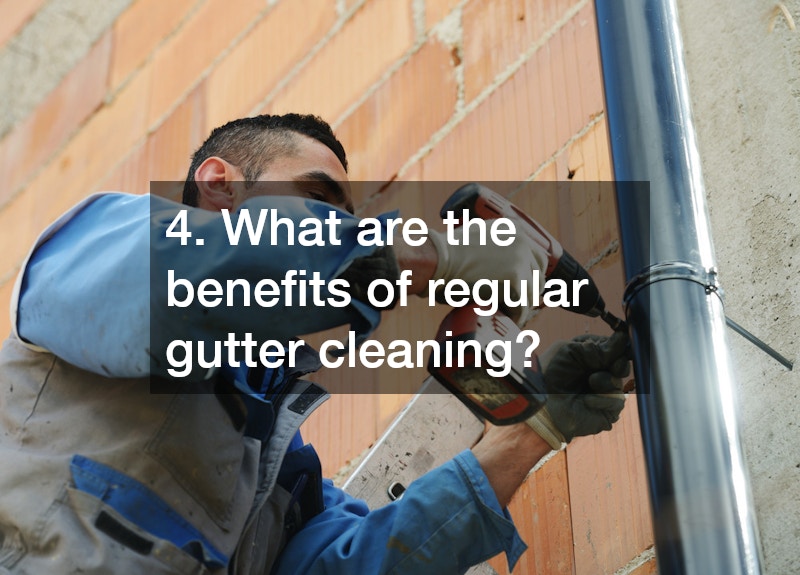
Gutters play a crucial role in protecting your home from water damage. Regular cleaning can prevent roof and fascia damage caused by clogged or overflowing gutters. It is recommended to clear your gutters at least twice a year to maintain proper water flow and function.
Avoiding foundation issues is another critical reason to keep gutters clean. Water that overflows can accumulate at the base of your home, eventually leading to cracks or even the need for expensive retaining wall construction. Ensuring proper water flow can forestall these structural challenges.
Maintaining proper drainage around your home involves not just cleaning the gutters but also inspecting downspouts and ensuring they discharge water far from the foundation. Hiring local concrete contractors to assess and enhance drainage solutions can further protect your property from water-related damage.
5. How do I maintain my HVAC system?
Your HVAC system is vital for maintaining indoor comfort and air quality. Seasonal HVAC maintenance tips include regular filter replacements, clearing debris from units, and annual system tune-ups. Investing in routine maintenance can significantly cut down on energy bills and prolong system life.
Cleaning and replacing filters is a simple, yet essential task. A clean filter can maximize airflow and efficiency, while a clogged one can put undue stress on your system. Most HVAC specialists recommend changing filters every 1-3 months, depending on usage and whether you have pets.
Identifying common HVAC issues early can save you from expensive repairs or replacements. Unusual noises, elevated humidity, or uneven heating and cooling are signs that your system needs attention. A concrete contractor experienced in HVAC systems can provide evaluations and recommend feasible solutions.
6. Why should you clean your chimney regularly?
Regular chimney cleanings are crucial for preventing chimney fires and ensuring safety. Creosote buildup is the leading cause of chimney fires, making it essential for homeowners to schedule cleanings annually. Both DIY methods and professional chimney sweep services are available for this task.
Aside from preventing fires, ensuring smoke and gas are properly vented is key to maintaining good indoor air quality. Blocked chimneys can lead to the backflow of dangerous gases like carbon monoxide, posing a serious health risk. Tree trimming services can also play a role in preventing blockages by managing nearby vegetation.
Professional versus DIY cleaning considerations often come down to convenience, safety, and expertise. While cleaning can be done manually, a professional service offers a thorough check that might reveal issues requiring prompt attention, such as cracks or structural damage.
7. How can I prevent plumbing leaks?
Plumbing leaks can cause significant water damage and lead to costly repairs if not addressed promptly. One effective strategy for prevention is regular inspection of your home’s plumbing systems, such as sump pumps, especially in older homes where wear is more prevalent. Identifying signs of potential leaks before they escalate is vital.
Common signs include unusually high water bills, the sound of running water when fixtures are off, and the presence of damp spots or mold. Regular inspection and maintenance can help you spot these issues early. Engaging tree removals services may also be necessary to prevent roots from invading your plumbing lines.
Long-term plumbing care strategies often involve both preventative and reactive measures. Educating your family about what shouldn’t be flushed or poured down sinks can go a long way. A sump pump can be an effective tool for mitigating the risks of basement flooding that can result from leaks.
8. What are the essentials of attic maintenance?
Routine attic maintenance is essential for ensuring energy efficiency and protecting against water and pest damage. Adequate insulation is critical to maintaining a consistent temperature and reducing heating and cooling bills. Inspecting and maintaining attic insulation should be prioritized in your home maintenance schedule.
Checking for leaks and pests is a task that should be performed regularly. Water damage can occur from roof leaks, while pests can infiltrate your home from unsecured attic points. Addressing these issues promptly can prevent structural damage and costly repairs.
Ventilation and controlling humidity levels are equally crucial. Proper ventilation can help in reducing moisture build-up and prevent mold growth. Remodeling contractors often suggest installing attic fans or vents to improve airflow and regulate temperature.
In addition to improving efficiency, routine attic care supports the overall health of your home. Moisture, heat buildup, and poor airflow can quietly affect roofing materials, framing, and ceilings over time. Regular inspections help identify these concerns early, allowing homeowners to take corrective action before damage spreads.
A well-maintained attic also contributes to better indoor comfort throughout the year. When insulation and ventilation work together properly, rooms below the attic stay more comfortable during both hot and cold seasons. This balanced environment reduces strain on heating and cooling systems and promotes consistent indoor temperatures.
9. Why is regular appliance check-up necessary?
Regular appliance check-ups are crucial for extending their lifespan and ensuring efficiency. Each appliance, from the refrigerator to the washing machine, requires different maintenance procedures, typically outlined in the user manuals. Scheduling these routine check-ups can save you from unexpected breakdowns.
Energy efficiency is enhanced when appliances are well maintained. Simple tasks like cleaning refrigerator coils and ensuring oven gaskets are functional can significantly reduce energy consumption. Consulting with local contractors can provide you with tailored advice on enhancing appliance efficiency.
Knowing when to repair or replace appliances can be a challenge. While frequent repairs can add up, a new model may offer far superior energy efficiency and features. Weighing the cost of repairs against potential savings on energy bills and efficiency can guide your decision-making.
Staying consistent with appliance maintenance also supports a safer home environment. Faulty or neglected appliances can pose risks such as electrical issues, water damage, or overheating. Routine inspections help catch warning signs early, reducing the likelihood of hazards that could affect your household.
Well-maintained appliances also perform more reliably, which makes everyday routines smoother and less stressful. When appliances run as intended, tasks like cooking, cleaning, and laundry take less time and effort. This reliability contributes to a more comfortable and efficient household overall.
Over time, keeping appliances in good working order helps homeowners plan ahead with confidence. Instead of dealing with sudden failures, you can budget for upgrades strategically and replace appliances on your own timeline. This proactive approach supports long-term savings while keeping your home running efficiently.
10. How to maintain exterior home surfaces?
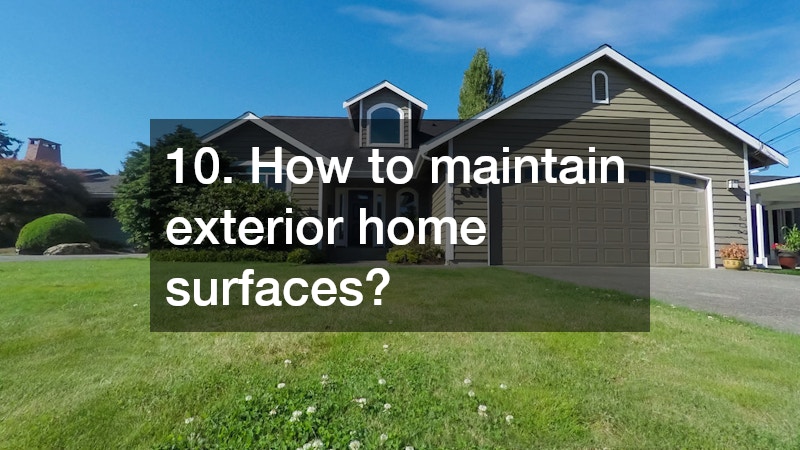
Maintaining the exterior surfaces of your home is as important as interior maintenance. Cleaning and preserving siding can prevent decay and maintain your home’s aesthetic appeal. Regular checks for cracks or mold growth will ensure the integrity of your external walls.
Maintaining decks and patios involves regular cleaning and sealing. This maintenance can protect against weathering and prolonged exposure to sunlight, which may weaken materials over time. Retaining wall construction can provide additional structural support where necessary.
Protecting your home’s paint and finishes from the elements is also integral to exterior maintenance. Repainting or sealing can offer protection against harsh weather conditions and deter premature aging. Hiring a local concrete contractor can assist in maintaining paved surfaces around your home for safety and appearance.
By addressing these overlooked areas, homeowners can prevent future problems and maintain the value and function of their property. Routine maintenance might seem tedious, but it is a vital investment in your home’s longevity and your peace of mind. Taking the time to regularly inspect and maintain various aspects of your house can save you stress and money in the long run.